
La Catrina — Mexico’s Elegant Reminder That Death Has No Class
From our archive · Puerto Morelos
La Catrina — Mexico’s Elegant Reminder That Death Has No Class
As October unfolds, we begin to see Puerto Morelos and the rest of Mexico transform. Markets fill with bright orange cempasúchil flowers, and families start preparing their ofrendas — the beautiful altars built to honor loved ones.
Among all these sights, one figure always stands out
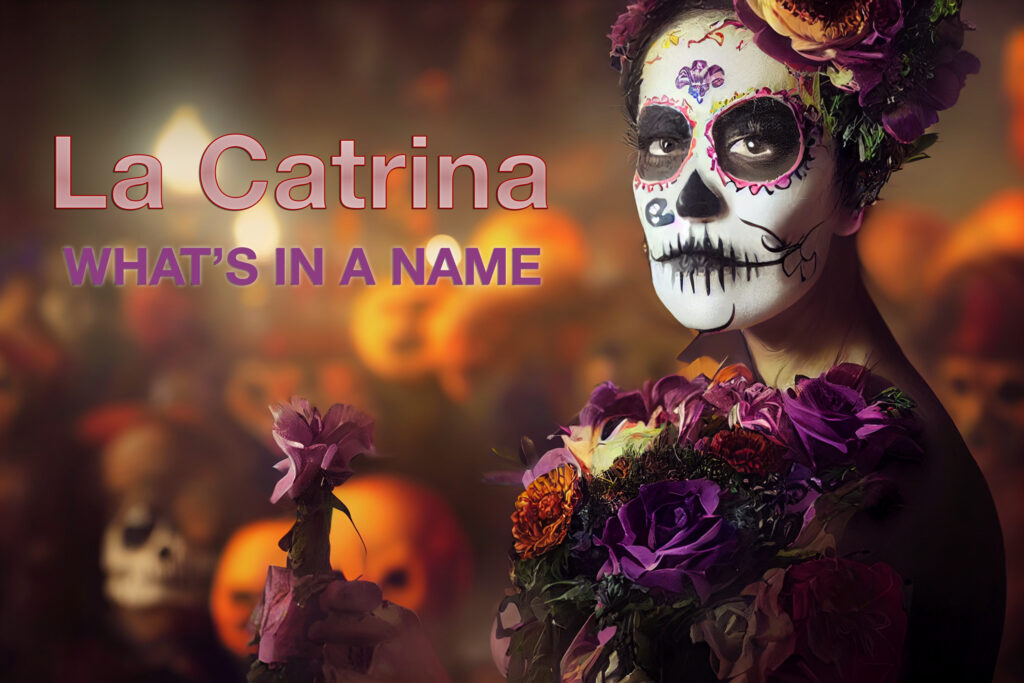

La Catrina— tall, graceful, and unmistakably elegant. Her feathered hat, her knowing smile, her skeletal face painted with beauty rather than fear — she seems to embody both life and death at once. But who exactly is she, and what story does she tell?
From Satire to Symbol
La Catrina didn’t start as a fashion icon. She was born from social satire. Around 1910, the printmaker José Guadalupe Posada sketched a skeleton wearing nothing more than a fancy European-style hat.
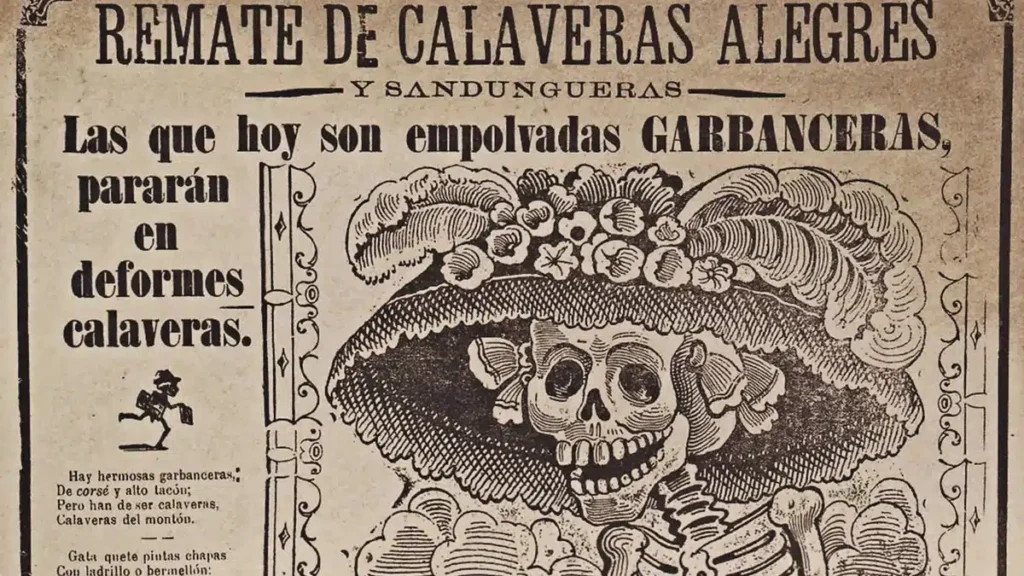
He called her La Calavera Garbancera, mocking those who denied their Indigenous roots and tried to appear European — people who, in Posada’s view, were ashamed of where they came from.
The word garbancera came from the sellers of chickpeas — garbanzos — who often looked down on their own culture while trying to imitate the European elite. Posada’s message was biting: Beneath the elegant hat, we are all the same skeleton. No wealth, fashion, or pretense changes that.
Diego Rivera and the birth of a name.
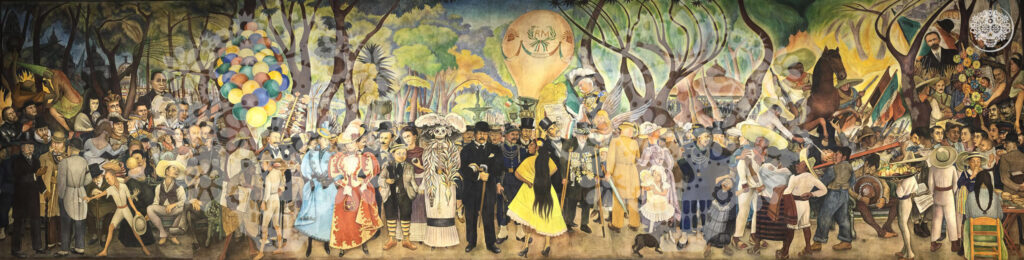
A few decades later, muralist Diego Rivera brought La Calavera Garbancera back to life — or death, depending how we see it.
In his 1947 mural Sueño de una tarde dominical en la Alameda Central, he gave Posada’s skeleton a full body, a lavish gown, and a name: La Catrina.
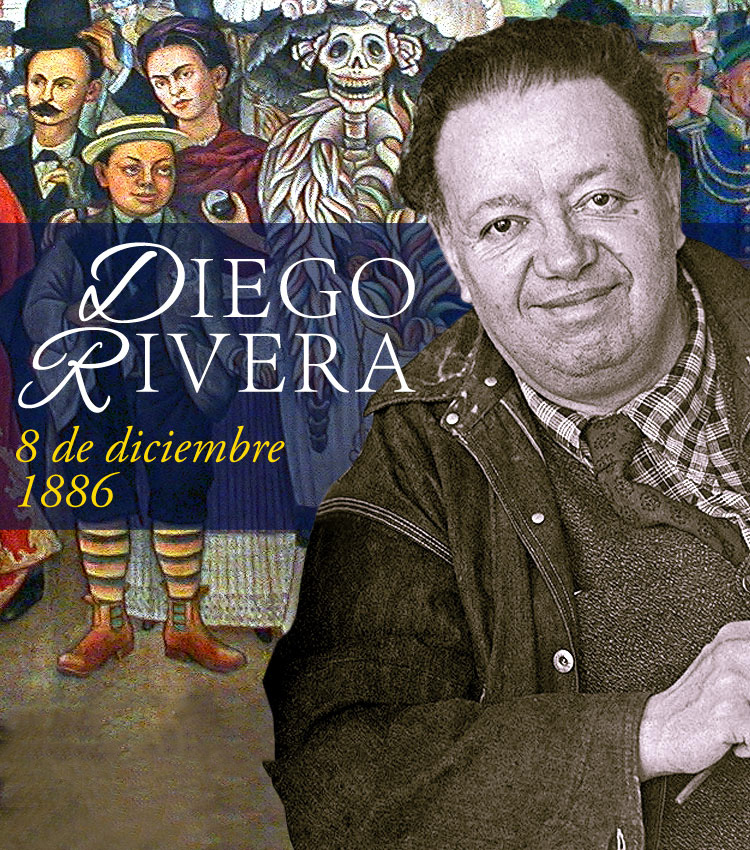
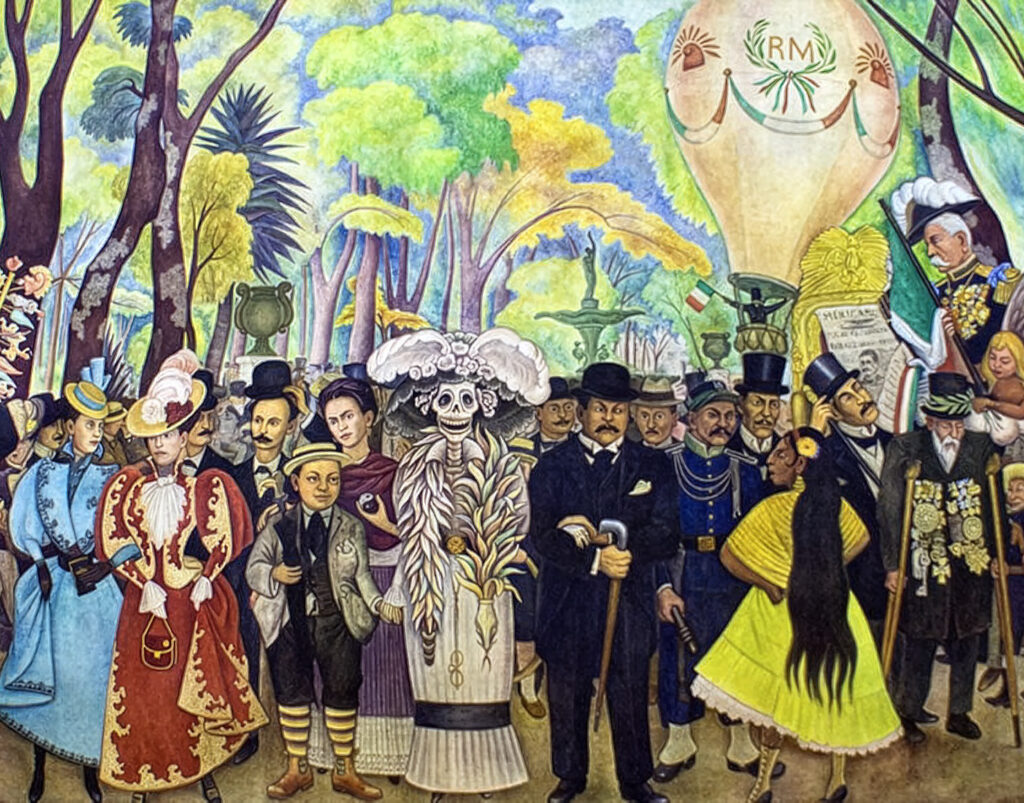
The word catrín in Spanish means “a well-dressed gentleman,” and catrina its feminine form. Rivera placed her hand-in-hand with a young version of himself and on the arm of her original creator José Guadalupe Posada, turning her into something greater — a symbol of Mexico itself, proud and self-aware, no longer mocking but embracing its layered identity.
Experience Her Spirit in Puerto Morelos
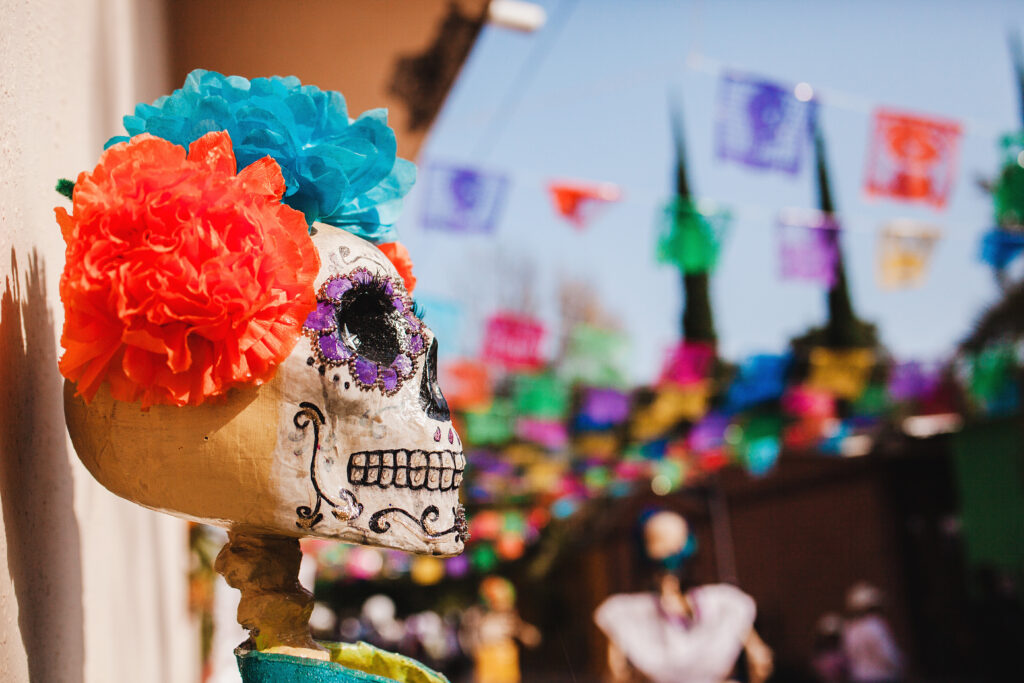
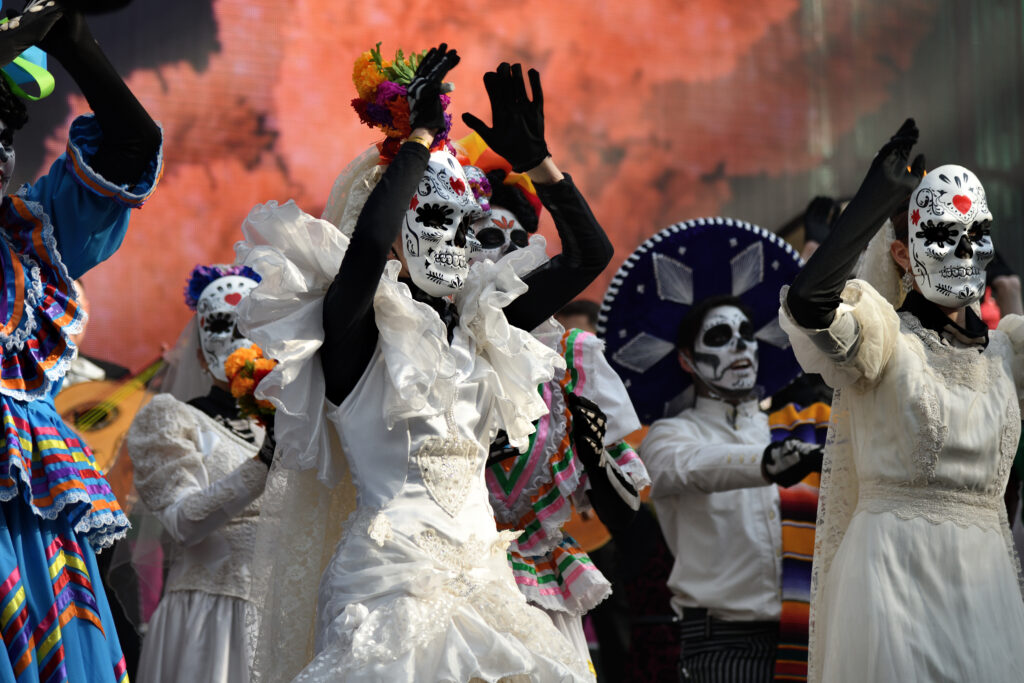
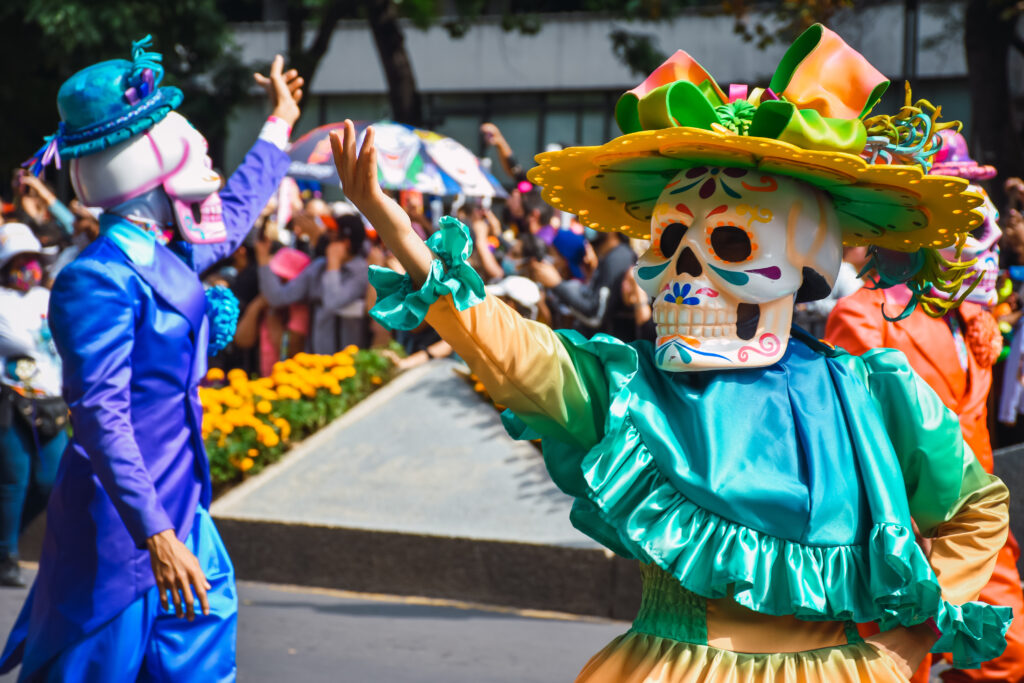
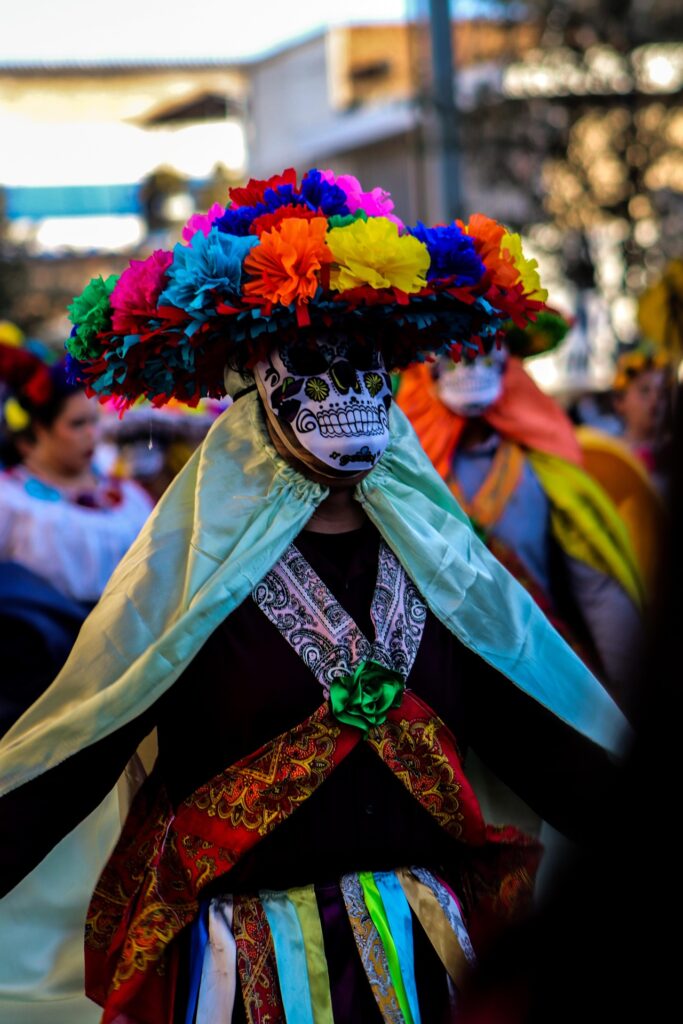
Here in Puerto Morelos, we don’t just tell La Catrina’s story — we bring it to life. In the days leading up to Día de Muertos, you’ll see her grace local plazas, school parades, and art displays throughout town.
When You See Her
So when you walk through Puerto Morelos this season and see a Catrina painted on a wall or gliding through the streets in a parade, you’re not just seeing a decoration. You’re witnessing a century-old conversation between Mexico’s past and present — between Indigenous roots and colonial history, between mortality and art.
La Catrina invites us all, locals and visitors alike, to remember that dignity doesn’t come from how we appear, but from how we live — and how we honor those who came before us.