
Maya, Mayan or Mayas? A Visitor’s Guide for Puerto Morelos
Local culture · A visitor’s guide
Maya, Mayan or Mayas?
The words we use—and the living culture behind them.
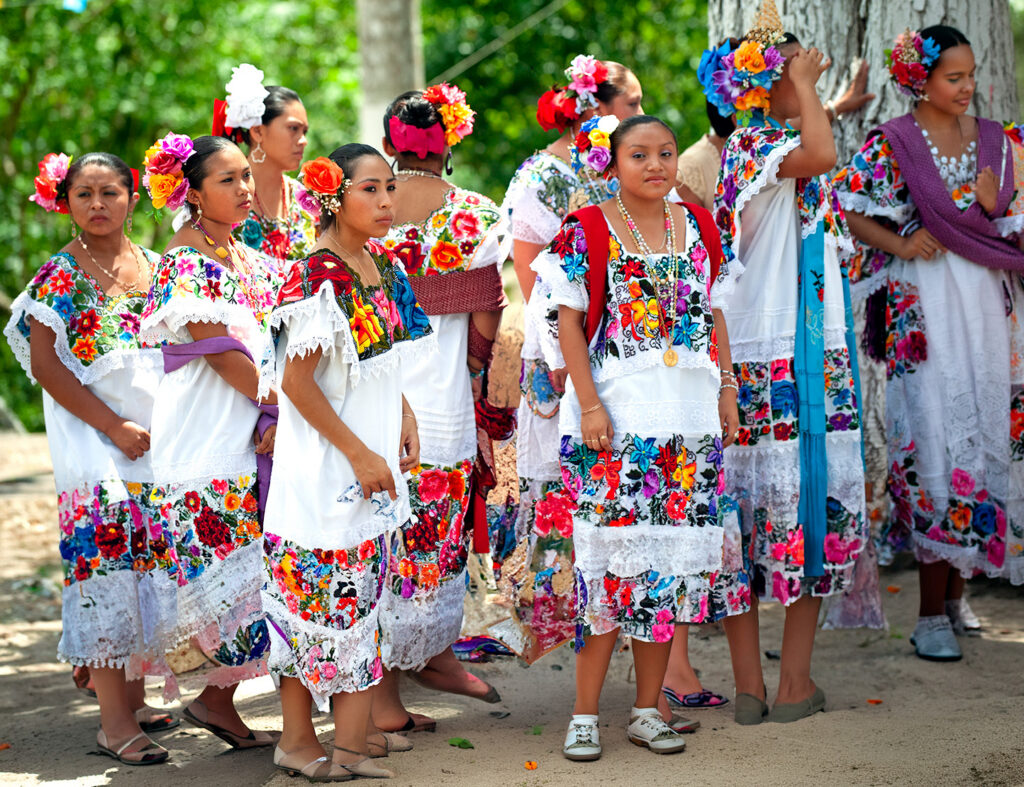
Visitors to the Yucatán Peninsula often hear three different words: Maya, Mayan and Mayas. They are sometimes used as though they mean the same thing, but the differences are worth knowing—especially when visiting a region where Maya language and culture are very much alive.
The simplest English-language rule is this:
- Use Maya for the people, culture, history and civilization.
- Use Mayan mainly when discussing the wider family of related languages.
- Use Maya, not Mayas, as the English plural.
That gives us a Maya person, Maya people, Maya culture, Maya food and Maya history etc.
Mayan refers to the language family, which includes more than 30 living languages.
But What About “Mayas”?
This is where the language being spoken matters.
In English, the usual plural is Maya: i.e. “The Maya developed complex systems of writing, mathematics and astronomy.”
In Spanish, however, mayas is a normal plural. You may correctly hear or read los mayas, pueblos mayas or lenguas mayas. An English-speaking visitor should therefore not assume that every appearance of “Mayas” is a mistake. It may simply be Spanish.
A Living Language in Puerto Morelos
Mexico’s Instituto Nacional de Lenguas Indígenas identifies Maayat’aan, as a living language spoken across the Yucatán Peninsula—including in the municipality of Puerto Morelos.
It belongs to the wider Maya language family, alongside other distinct languages spoken across southern Mexico, Guatemala and Belize.
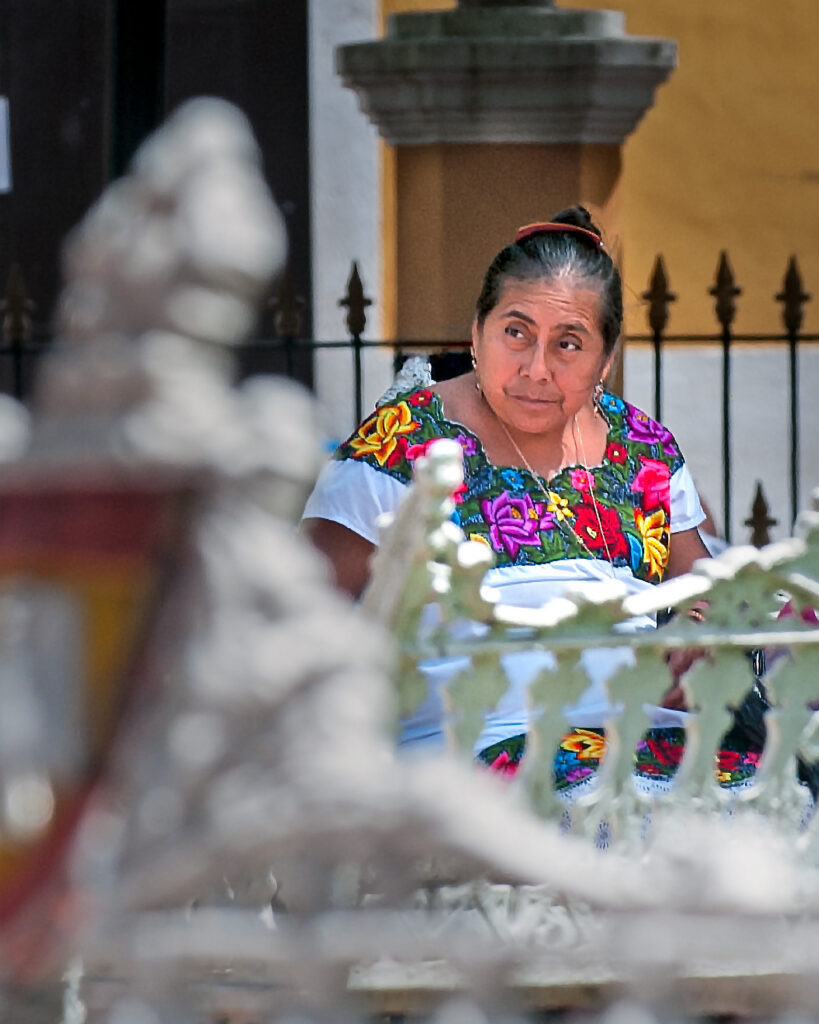
The Smithsonian’s Living Maya Time project makes the larger point clearly: despite local differences and more than 30 living languages, Maya people share cultural roots while participating fully in contemporary life.
Why Visitors Should Know the Difference
At Abbey del Sol, we believe understanding a little more about Puerto Morelos and the surrounding region makes a visit more meaningful. Good travel begins with paying attention—and sometimes that starts with a single word.
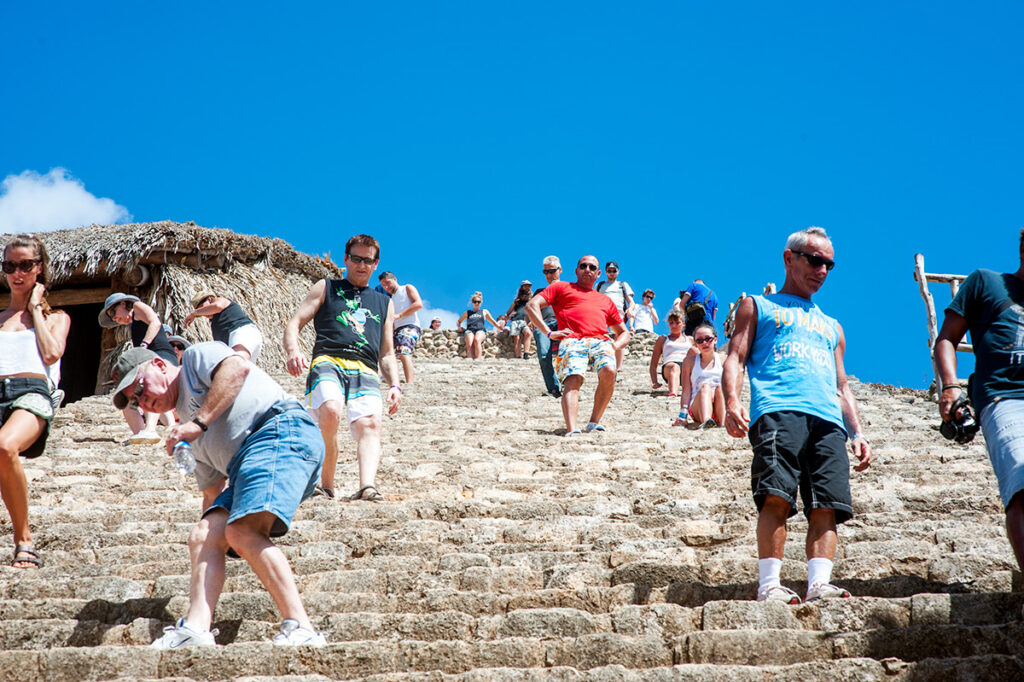
Knowing whether to say Maya, Mayan or Mayas helps visitors approach those experiences with greater curiosity and respect.
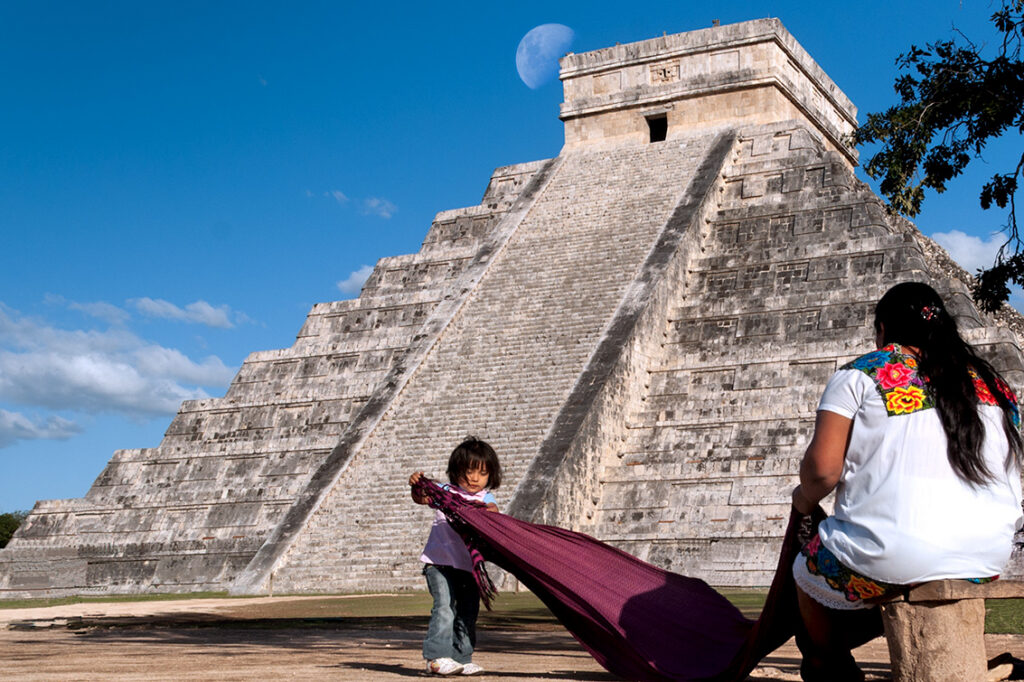
It moves the conversation beyond “the ancient Mayans” and toward a more accurate understanding of living Maya people. It also reminds us to listen for the names communities use for themselves and for their languages, rather than treating a large and diverse region as one single culture.