
🌼 Cempasúchil: The Flower That Lights the Way
From our archive · Puerto Morelos
🌼 Cempasúchil: The Flower That Lights the Way
A Glimpse of Mexico’s Golden Blossom of October
What Is Cempasúchil?
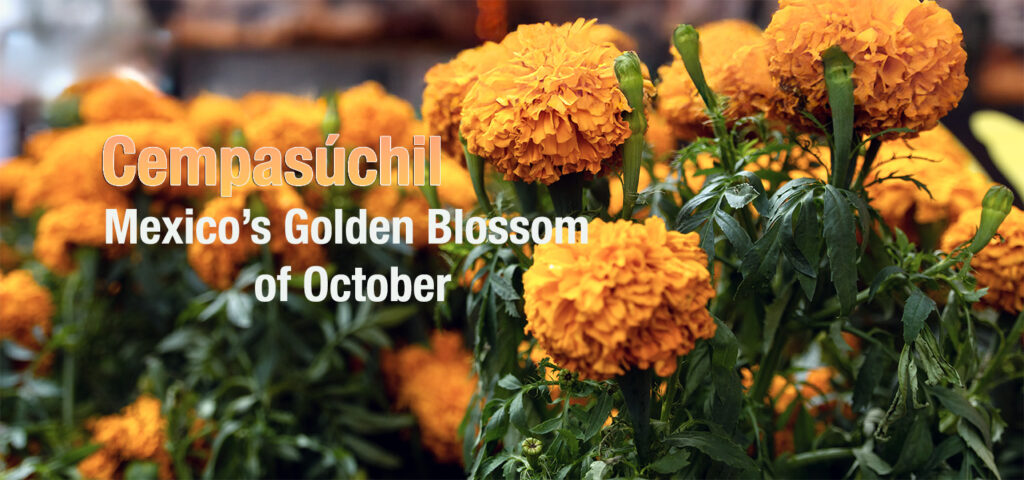
Pronounced sem-pah-soo-cheel, the name comes from the ancient Nahuatl word cempōhualxōchitl, meaning “twenty flowers”—a reference to its many layered petals. Native to Mexico and Central America, this flower has been used since pre-Hispanic times to honor the dead and celebrate the cycles of life.
Why October Belongs to This Flower
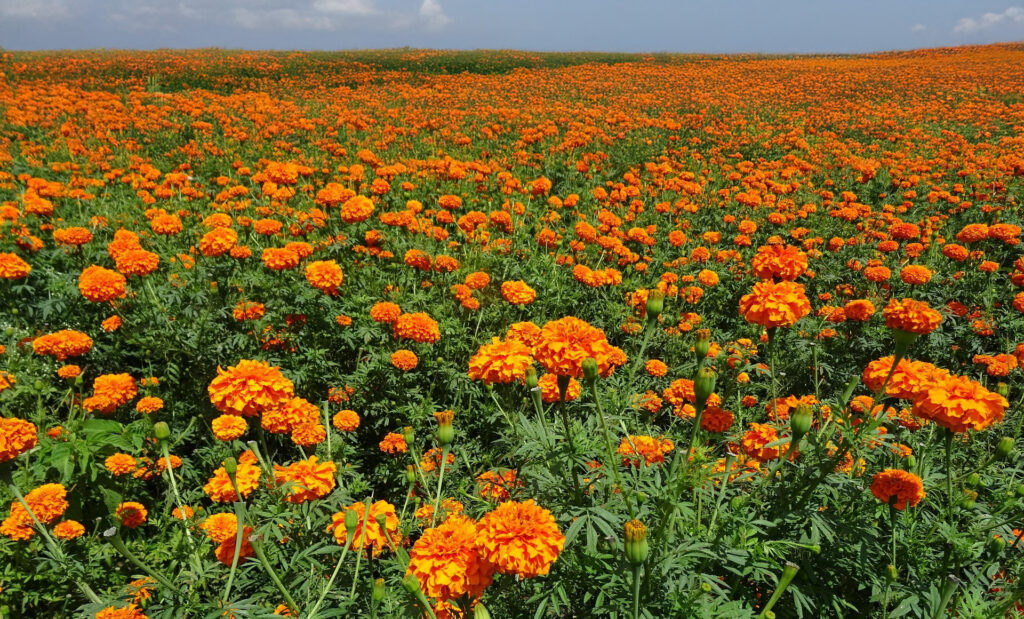
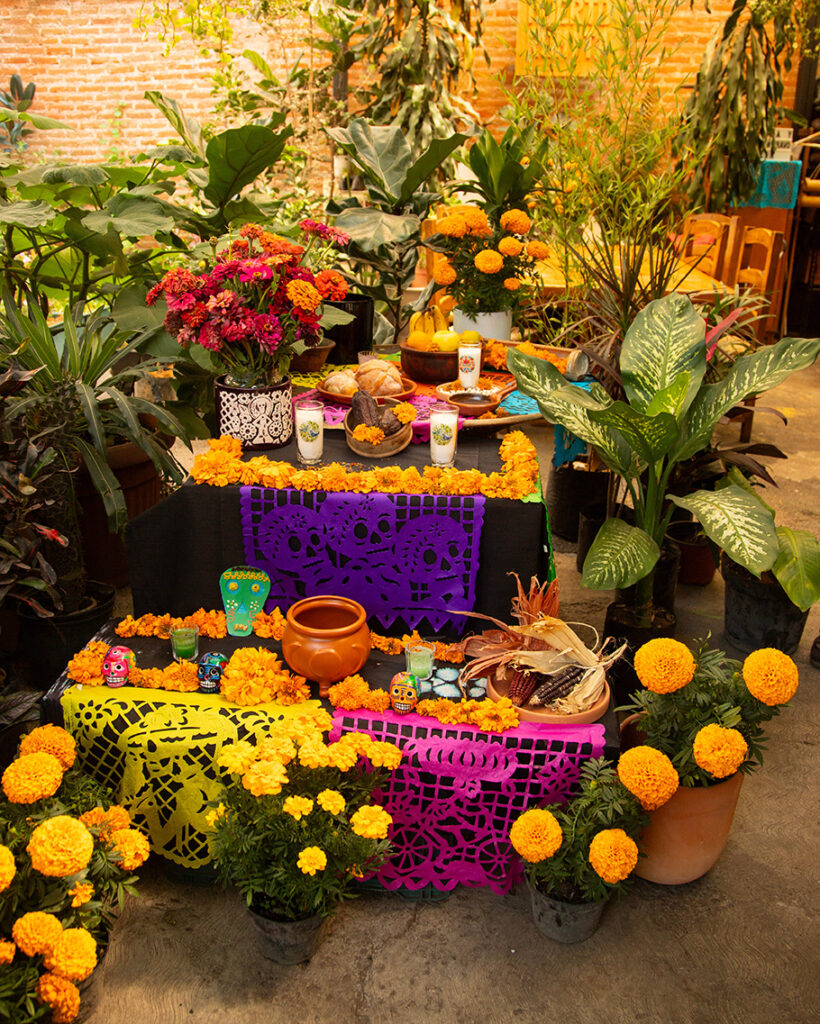
Every year, in the weeks leading up to Día de Muertos (Day of the Dead), the cempasúchil takes center stage. Markets fill with bundles of them. Entire altars are built around them. And cemeteries glow with their unmistakable color.
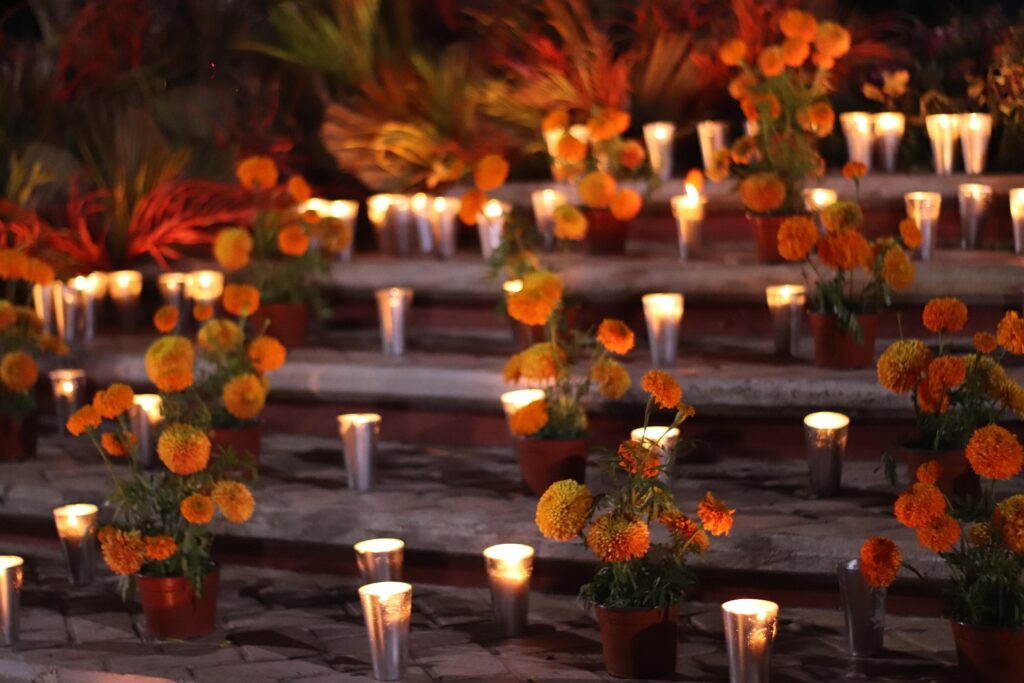
But it’s not just about beauty. According to tradition, the vibrant color and strong scent of the cempasúchil help guide spirits home—lighting a path from the world of the dead to the world of the living. The petals are often laid out in trails, like spiritual breadcrumbs leading souls to their families’ altars.
A Symbol, Not Just a Flower
Cempasúchil represents more than remembrance—it speaks of connection, continuity, and celebration. For many families, placing the flower is a sacred act of love. And for visitors, it’s a moving way to glimpse Mexico’s deep reverence for life and death.
Look Closer—This Flower Has a Story to Tell
As you wander the streets of Puerto Morelos in October, you might notice bursts of vivid orange and gold decorating homes, markets, and even doorways.
These are the cempasúchil flowers—Mexico’s iconic marigold—and they’re much more than a pretty decoration.
They carry memory. Meaning. And a story that reaches far beyond the petals.
Whether you’re here for a weekend or a month, staying in one of our Puerto Morelos vacation rentals, take a moment to admire the cempasúchil when you see it. It’s a symbol with roots deep in the land and culture—and it tells a story we’ll share more of in a future post about Día de Muertos itself.